Conditions We Treat at Anchor Point Chiropractic

At Anchor Point Chiropractic, we don’t just manage pain, we find out what’s really causing it and treat that directly.
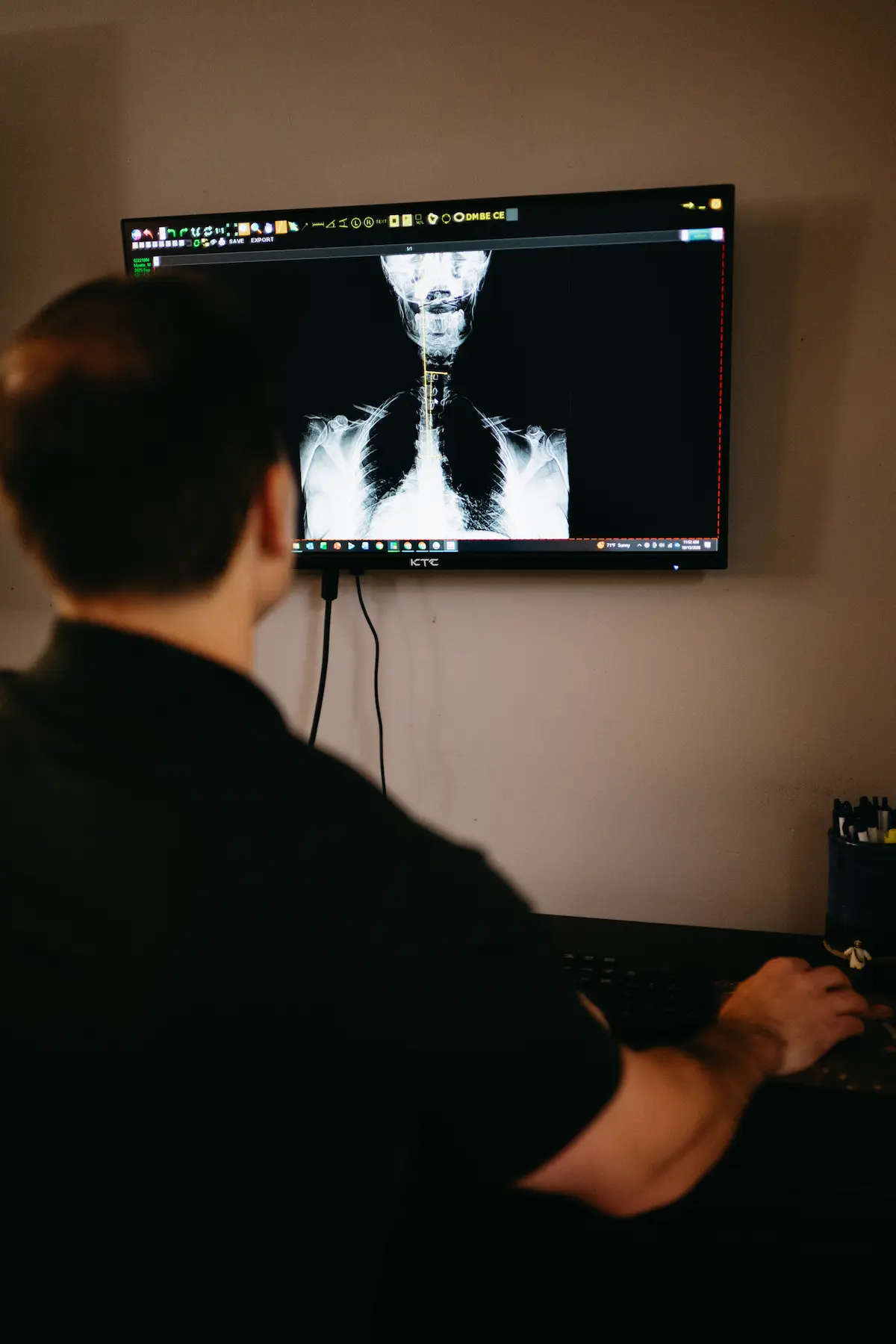
A person views an X-ray image of a human torso on a computer monitor, with yellow markers on the spine.

Getting to the Root Cause at Anchor Point Chiropractic

Pain is a signal, not a diagnosis. Most patients who come to us already know what hurts. What they haven’t gotten is a clear answer for why, and without that answer, the same pain tends to keep coming back.

Dr. Jeffrey Vitenas and Dr. Jessie Swink both review your case before any treatment begins, using specific testing and X-rays when needed to understand exactly what’s driving the problem. From there, your care plan is built around that answer, not a generic protocol.

Conditions We Treat in Plymouth, MA

Headaches and Migraines
Icon of a human head with a lightning bolt inside and radiating lines above, symbolizing an idea.
Many headaches start with tension in the neck, not the head. We check for that connection before recommending a plan.
Back Pain
Outline of a human torso with a starburst symbol in the abdomen.
The most common reason patients come to us, and one of the most treatable once the actual cause is identified.
Neck Pain
White outline icon of a human head in profile with a pain indicator near the ear.
Old injuries, posture, and daily stress all feed into chronic neck pain. Targeted adjustments help address what’s actually driving it.
Whiplash and Auto Injuries
Car accident icon
Symptoms from a car accident don’t always show up right away. Early evaluation leads to a smoother recovery.
Sciatica
White line icon of a leg with a highlighted knee and pain indicators.
That burning, shooting pain down your leg is a nerve signal. We find the source of the compression and treat it directly.
Herniated and Bulging Discs
White outline icon of a human spine with a pain indicator on one segment.
Pressure on nearby nerves can cause pain well beyond your back. Intersegmental traction alongside adjustments helps relieve that pressure.
Arm & Hand Tingling and Numbness
A solid white image.
Tingling or numbness in your arm or hand often points back to nerve compression starting in your neck or spine.

When Should You See a Chiropractor?

If any of the following sound familiar, it’s worth coming in for an evaluation rather than waiting it out.
The sooner the underlying issue is identified, the easier it typically is to address.
A man in a black polo shirt places a white paper cover on a black and white examination table in a clinic setting.

Frequently Asked Questions About Conditions We Treat

Do I need a diagnosis before coming in?

No. Our exam process is designed to identify what’s driving your symptoms. You don’t need imaging or a referral before your first visit, though if you have recent X-rays or scans, feel free to bring them along.

What if my condition has been going on for years?

Long-standing conditions typically take more time and consistency to address than newer ones, but they still respond well to care once the underlying cause is identified. Your doctor will set honest expectations with you before starting any plan.

Is chiropractic care safe for the conditions listed here?

For the vast majority of patients, yes. Our exam process screens for anything outside the scope of chiropractic care, and we’ll always be upfront if a referral is the better option.

Can chiropractic help if I've already tried other treatments?

Often, yes. Many patients come to us after rest, medication, or another provider hasn’t fully resolved things. A thorough exam helps us understand why those approaches may not have addressed the root cause.

Ready to Find Out What's Behind Your Pain in Plymouth?