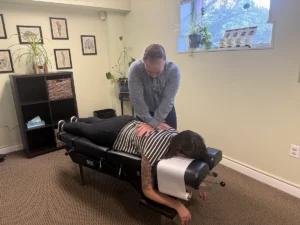

Delayed pain after a car accident is common, and it does not mean you are imagining things. Adrenaline can mask pain right after a crash while inflammation builds more slowly, so neck pain, stiffness, or headaches often show up 24 to 72 hours later. At Anchor Point Chiropractic in Plymouth, MA, we evaluate accident patients within days, not weeks, so injuries are caught early and documented clearly.
Why You Might Feel Fine Right After a Crash
In the moments after an accident, your body floods with adrenaline. It sharpens your focus and dulls pain so you can deal with what is in front of you.
Inflammation works on a different timeline. Over the next day or two, swelling builds in strained muscles and ligaments, and that is often when the stiffness and soreness kick in.
This is why so many Plymouth patients tell us the same story. They walked away from the accident feeling okay, then woke up two days later barely able to turn their head.
Delayed Symptoms to Watch For
Symptoms can start out mild and build over a few days. Pay attention to:
- Neck pain and stiffness that gets worse over 24 to 72 hours
- Headaches that start at the base of the skull
- Shoulder and upper back pain, often from the seat belt or bracing against the wheel
- Numbness or tingling into the arm or hand
- Fatigue, trouble concentrating, or dizziness
Dizziness after a crash can have several causes. Our post on vertigo and dizziness explains how whiplash can play a role.
Even Minor Accidents Count
A low-speed fender bender with little damage to your car can still injure your neck. The bumper may absorb the hit, but your head and neck still whip back and forth.
Many people skip getting checked after a small accident because the car looks fine. Your body is a different story.
Soft Tissue Injuries That Do Not Show on X-Ray
Whiplash mostly affects muscles, ligaments, and tendons. These soft tissues do not always show up on an X-ray, which can leave patients feeling dismissed when they know something is wrong.
A clear X-ray rules out certain problems, like fractures. It does not mean there is no injury. A hands-on exam that checks how your neck moves, where it is tender, and how your nerves respond tells a much fuller story.
Why Early Care Matters
Untreated soft tissue injuries can heal with scar tissue and lead to compensating movement patterns. Over time, that may turn a short-term injury into a long-term problem.
Getting evaluated early tends to make recovery smoother. It also creates a clear record if you file an insurance claim.
When to Go to the ER First
Some symptoms need emergency care before anything else. Call 911 or go to the emergency room if you have:
- Loss of consciousness, confusion, or a severe headache that keeps getting worse
- Weakness, numbness, or loss of coordination in your arms or legs
- Severe neck pain after a high-impact crash
- Loss of bladder or bowel control
Once serious injuries have been ruled out, chiropractic care can be a good next step. You do not need a referral from the ER or your doctor to see us.
What Happens at Your First Accident Visit
Ideally, we see you within the first few days after the accident. Your first visit at our Plymouth office includes a detailed account of how the accident happened, a physical exam, and X-rays when needed.
Dr. Jeffrey Vitenas and Dr. Jessie Swink both review every case. That means two sets of eyes on your injury from day one.
What We Look for During Your Exam
- Range of motion in your neck and upper back
- Muscle tightness, tenderness, and guarding
- Nerve signs like tingling, numbness, or weakness
- Joints that are not moving the way they should
What Care May Include
- Gentle, accident-appropriate adjustments that progress as you heal
- Intersegmental traction to ease post-accident muscle tension and stiffness
- Shoulder and upper back care for seat belt or bracing injuries
- Clear clinical documentation at each stage of care
Care starts gentle and builds as your body heals. Regular visits average 15 to 20 minutes, so you can fit them around work and family. Our post on shoulder pain covers seat belt and bracing injuries in more detail.
What Recovery Usually Looks Like
Every accident is different, so there is no single timeline. A mild neck strain may settle in a few weeks, while a harder hit or an injury that went untreated for a while usually takes longer.
Early on, visits focus on calming things down and restoring gentle motion. As you heal, care shifts toward getting your full range of motion back and helping you return to normal activities. Your doctor will give you a realistic idea of what to expect after your exam.
Tips for the First Few Days After an Accident
What you do right after a crash can make a difference. These steps may help you recover and keep your records clear:
- Write down your symptoms each day, including when new ones show up
- Keep moving gently instead of staying in bed all day
- Skip heavy lifting, intense workouts, and long drives if they make things worse
- Keep your accident report, claim number, and insurance details in one place
A simple symptom log is also helpful at your first visit. It gives your doctor a clear picture of how your body has responded since the accident.
Insurance, Documentation, and Your Claim
Most auto insurance policies include coverage for chiropractic care after an accident. We keep detailed clinical records from your first visit forward, and we can coordinate documentation with your attorney if you have one.
Our role is your clinical care. We do not give legal advice, so questions about your claim are best directed to your insurer or attorney.
You can learn more about our car accident chiropractic care or read about how we treat whiplash and auto injuries.
Frequently Asked Questions
How soon after an accident should I see a chiropractor?
Ideally within the first few days, even if you feel mostly fine. Early evaluation helps catch injuries before they settle in and gives you a clear record from the start.
Can symptoms show up a week later?
Most delayed symptoms appear within 24 to 72 hours, but some people notice stiffness or headaches building over a longer stretch. If something feels off after an accident, it is worth getting checked.
Do I need to see my doctor before coming in?
No referral is needed. If you have any of the emergency signs above, though, get medical care first and come see us once serious injuries are ruled out.
Do Not Wait for the Pain to Settle In
If you have been in an accident, even a minor one, an early exam can make recovery smoother. Call 508-746-5899 or contact Anchor Point Chiropractic to schedule your visit.