
Massage therapy and chiropractic care can both help with aches and pains, but they focus on different parts of the body. Massage works mainly on your muscles and soft tissue, while chiropractic care focuses on your spine, joints, and how they move. At Anchor Point Chiropractic in Plymouth, MA, we help patients understand the difference so they can choose the care that fits their pain, and many people find the two work well together.
What Massage Therapy Focuses On
Massage therapy works on the soft tissues of your body, including muscles, tendons, and the connective tissue around them. A massage therapist uses pressure and movement to ease tight spots and help your muscles relax.
People often turn to massage for:
- Muscle tension and knots
- Mild muscle strains
- Soreness after exercise or a long workday
- Stress and trouble relaxing
Massage can feel great and help you unwind. Its main focus is the muscles, so it is not designed to address problems with how your joints or spine are moving.
What Chiropractic Care Focuses On
Chiropractic care focuses on the spine, joints, and nervous system. Chiropractors are trained to examine how your joints move and to use adjustments to improve that movement. They are licensed to adjust the spine and other joints, which massage therapists are not.
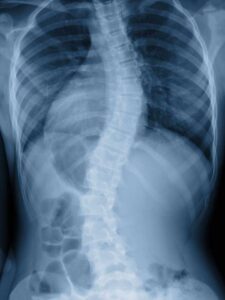
A chiropractic visit usually starts with a full exam. At our office, that includes pre-care X-rays when needed so we can see what is happening in your spine before we recommend care. Our doctors use techniques like Gonstead, Thompson Drop Table, and Webster, and they adjust the shoulders, elbows, and wrists too, not just the spine.
Chiropractic care is often a good fit for problems like:
- Back pain and neck pain
- Headaches linked to tension in the neck and upper back
- Sciatica and disc problems
- Tingling or numbness in the arms and hands
- Whiplash and other injuries after a car accident
Key Differences Between Massage and Chiropractic Care
Both options can help you feel better, but they are not the same. Here is how they compare:
- Focus: Massage targets muscles and soft tissue. Chiropractic care targets the spine and joints.
- Exam: Chiropractors perform a physical and neurological exam and may use X-rays. Massage usually starts with a short conversation about where you feel tension.
- Treatment: Massage uses pressure and kneading. Chiropractic care uses specific adjustments to improve joint movement.
- Visit length: A massage often lasts 30 to 90 minutes. Visits at our office usually take 15 to 20 minutes.
How Massage and Chiropractic Care Work Together
Muscles and joints depend on each other. Tight muscles can pull on your joints and make it harder for them to move well. Stiff joints can cause the muscles around them to tighten up to protect the area.
That is why many people see both a massage therapist and a chiropractor. Relaxed muscles can make adjustments more comfortable, and better joint movement can help muscles stay loose longer. We do not offer massage at our office, but we are happy to work alongside your massage therapist as part of your care.
Intersegmental Traction: A Patient Favorite
If you love the feeling of a massage, you will probably like intersegmental traction. You lie on your back on a special table while rollers move slowly up and down your spine. Many patients say it feels a lot like a back massage.
Intersegmental traction gently moves each section of your spine and helps warm up the muscles and joints before your adjustment. It is one of the most popular parts of a visit at our Plymouth office. It is not a replacement for massage therapy, but it is a relaxing way to loosen up your back.
Which One Is Right for You?
The best choice depends on what is causing your pain. Massage may be a good fit if your main goal is to relax or ease general muscle tension. Chiropractic care may be a better fit if:
- Your pain keeps coming back even after massage
- You have pain that travels into your arms or legs
- You feel stiff and have trouble turning or bending
- You have been in a car accident or had a fall
- You have headaches that seem to start in your neck
If you are not sure, a chiropractic exam can help you find out what is going on. Both Dr. Jeffrey Vitenas and Dr. Jessie Swink review every case, and they will tell you honestly if massage or another type of care would help.
What to Expect at Your First Chiropractic Visit
If you have only ever had massages, a chiropractic visit may feel a little different. Your first visit starts with some quick paperwork and a conversation about your symptoms and health history. From there, one of our doctors performs an exam and takes X-rays if they are needed.
Before any care begins, your doctor will explain what they found and what they recommend. You will never be rushed into a plan you do not understand. You can read more about what to expect at your first visit before you come in, so there are no surprises.
Massage vs. Chiropractic FAQs
Should I get a massage before or after a chiropractic adjustment?
Either can work. Some people like getting a massage first so their muscles are relaxed before an adjustment. Others prefer a massage a day or two later. Your chiropractor can help you decide what makes sense for your plan.
Is intersegmental traction the same as a massage?
No, but it can feel similar. Intersegmental traction uses rollers to gently move your spine and warm up the area before your adjustment. It is not hands-on soft tissue work like a massage.
Do I need both massage and chiropractic care?
Not always. Some people do well with one or the other. Others with ongoing tension or pain find that combining the two helps them feel better and stay that way longer.
Find Out What Your Body Needs
If you are dealing with pain that massage alone has not fixed, an exam can help you understand what is really going on. Contact Anchor Point Chiropractic to schedule your visit and see what care fits you.