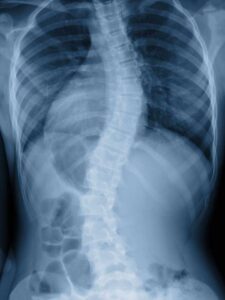
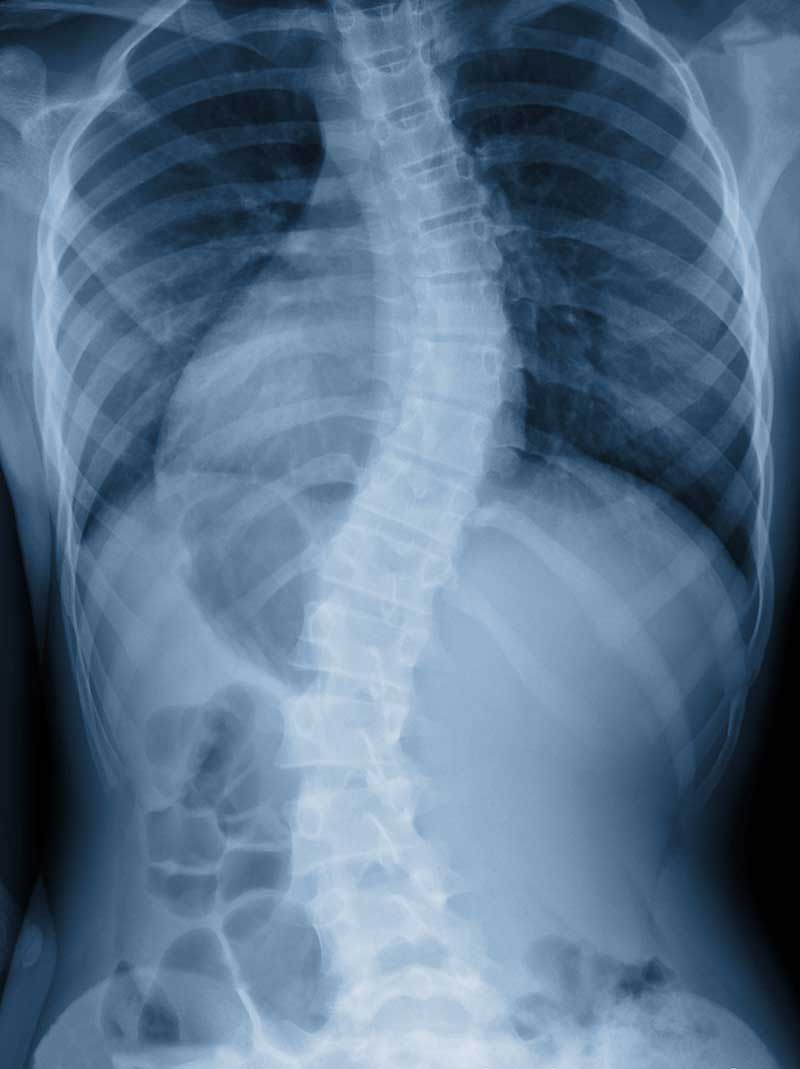
Scoliosis is a sideways curve in the spine that can cause uneven shoulders, back pain, and stiffness. Chiropractic care cannot straighten a structural scoliosis curve, but it can help many people move more comfortably and manage the pain that often comes with it. At Anchor Point Chiropractic in Plymouth, MA, we start with X-rays and a thorough exam so we know exactly what your spine looks like before we recommend anything.
What Scoliosis Looks Like Day to Day
A healthy spine looks fairly straight from behind. With scoliosis, the spine bends to the side in a C or S shape, and the bones can rotate slightly as they curve. Some people never notice a mild curve. Others feel it every day.
Many patients first hear about scoliosis after a school screening or a routine checkup. Adults often find out later in life when back pain sends them in for X-rays. Either way, knowing what you are dealing with is the first step toward feeling better.
Common Signs of Scoliosis
Scoliosis does not always hurt, especially in kids. That is why it helps to know the visual signs. Watch for:
- One shoulder or shoulder blade sitting higher than the other
- One hip that looks higher or sticks out more
- A rib hump on one side when bending forward
- Clothes or backpacks that always hang unevenly
- Back pain or stiffness that gets worse after standing or sitting for a long time
- Muscle tightness that seems worse on one side of the back
If you notice any of these signs in yourself or your child, it is worth getting checked. Early answers make it much easier to plan the right care.
Types of Scoliosis
Not all scoliosis is the same, and the type you have shapes how we approach your care.
Idiopathic Scoliosis
This is the most common type. It usually shows up between ages 10 and 18, often during a growth spurt. Doctors do not know the exact cause, which is what “idiopathic” means.
Degenerative Scoliosis
This type develops in adults as the discs and joints in the spine wear down over time. It often shows up in the low back and can come with stiffness, nerve irritation, or pain that travels into the legs.
Functional Scoliosis
Sometimes the spine curves because of something else, like muscle spasms, a difference in leg length, or long-term posture habits. The spine itself is not structurally curved. This type often responds well to care because the underlying cause can be addressed.
How Chiropractic Care Helps With Scoliosis
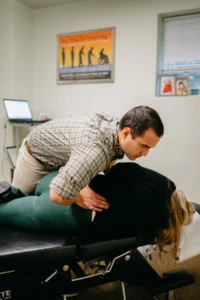
We want to be honest up front. Chiropractic adjustments do not straighten a structural scoliosis curve. What they can do is help the joints around the curve move better, ease muscle tension, and reduce the aches that come from your body working harder than it should.
Many people with scoliosis carry extra tension on one side of the back. Over time, that imbalance can lead to stiffness, headaches, and back pain that never quite goes away. Our goal is to help your body handle that load more comfortably.
What We Look for First
Every new patient starts with a full exam and pre-care X-rays. X-rays let us see the size and location of the curve, how the vertebrae are rotating, and whether anything else is contributing to your pain. We take post-care X-rays later to track how your spine is responding.
Both Dr. Jeffrey Vitenas and Dr. Jessie Swink review your case. With scoliosis, a second set of eyes on your X-rays helps make sure nothing gets missed.
What Care May Include
Your plan depends on your exam findings, your age, and the type of scoliosis you have. Care may include:
- Specific chiropractic adjustments, including Gonstead and Thompson Drop Table techniques, to improve movement in stiff areas of the spine
- Intersegmental traction to gently loosen the spine and improve flexibility
- Guidance on posture, daily activity, and how to sit and lift in ways that put less strain on your back
Visits usually take 15 to 20 minutes, so ongoing care fits into a busy week without taking over your schedule.
Scoliosis in Kids and Teens
Scoliosis most often appears during the teen years, when kids grow fast. A curve can change quickly during a growth spurt, so regular checks matter more at this age than at any other time.
Many Plymouth families come to us after a school screening flags a possible curve. We can take X-rays, measure the curve, and explain what we see in plain language. For younger patients, we offer gentle chiropractic care for kids that is adapted to their size and comfort level.
If a child’s curve is large or getting worse, we will recommend they see a pediatric orthopedic specialist. Some growing kids need bracing to keep a curve from progressing, and that decision belongs with a specialist. Chiropractic care can work alongside that plan to help with comfort and mobility.
When Scoliosis Needs More Than Chiropractic Care
Part of our job is knowing when to refer you elsewhere. We will recommend you see another provider if your X-rays or exam show:
- A large curve or a curve that is changing quickly
- Numbness, weakness, or loss of bladder or bowel control
- Trouble breathing or chest discomfort linked to the curve
- Pain that is severe, constant, or getting worse despite care
In these cases, we will explain what we found and help you take the next step. Your safety comes first, and we will always tell you if another type of care makes more sense.
Living With Scoliosis: Everyday Tips
Scoliosis care does not stop when you leave the office. Small habits can make a real difference in how your back feels from one week to the next. These are simple changes our patients use between visits:
- Take short movement breaks if you sit at a desk or drive for long periods
- Carry bags and backpacks evenly, using both straps
- Stay active with low-impact exercise like walking or swimming
- Pay attention to which positions make your pain better or worse, and share that at your next visit
Scoliosis FAQs
Can a chiropractor fix scoliosis?
No chiropractor can promise to straighten a structural scoliosis curve. Chiropractic care focuses on helping you move better, easing muscle tension, and reducing pain. For functional scoliosis caused by muscle tension or posture, addressing the cause can sometimes improve how the spine sits.
Do I need X-rays for scoliosis?
Yes. X-rays are the only way to measure the size and shape of a curve accurately. We take pre-care X-rays at the start so your plan is based on what is actually happening in your spine.
Is chiropractic care safe for kids with scoliosis?
Yes, when it is adapted to the child. Adjustments for kids use much lighter pressure than adult adjustments. We will also tell you right away if your child should see a specialist.
Get Your Scoliosis Checked in Plymouth
If uneven shoulders, back pain, or a recent screening has you wondering about scoliosis, we can give you clear answers with an exam and X-rays. Contact Anchor Point Chiropractic to schedule your visit.